Insights
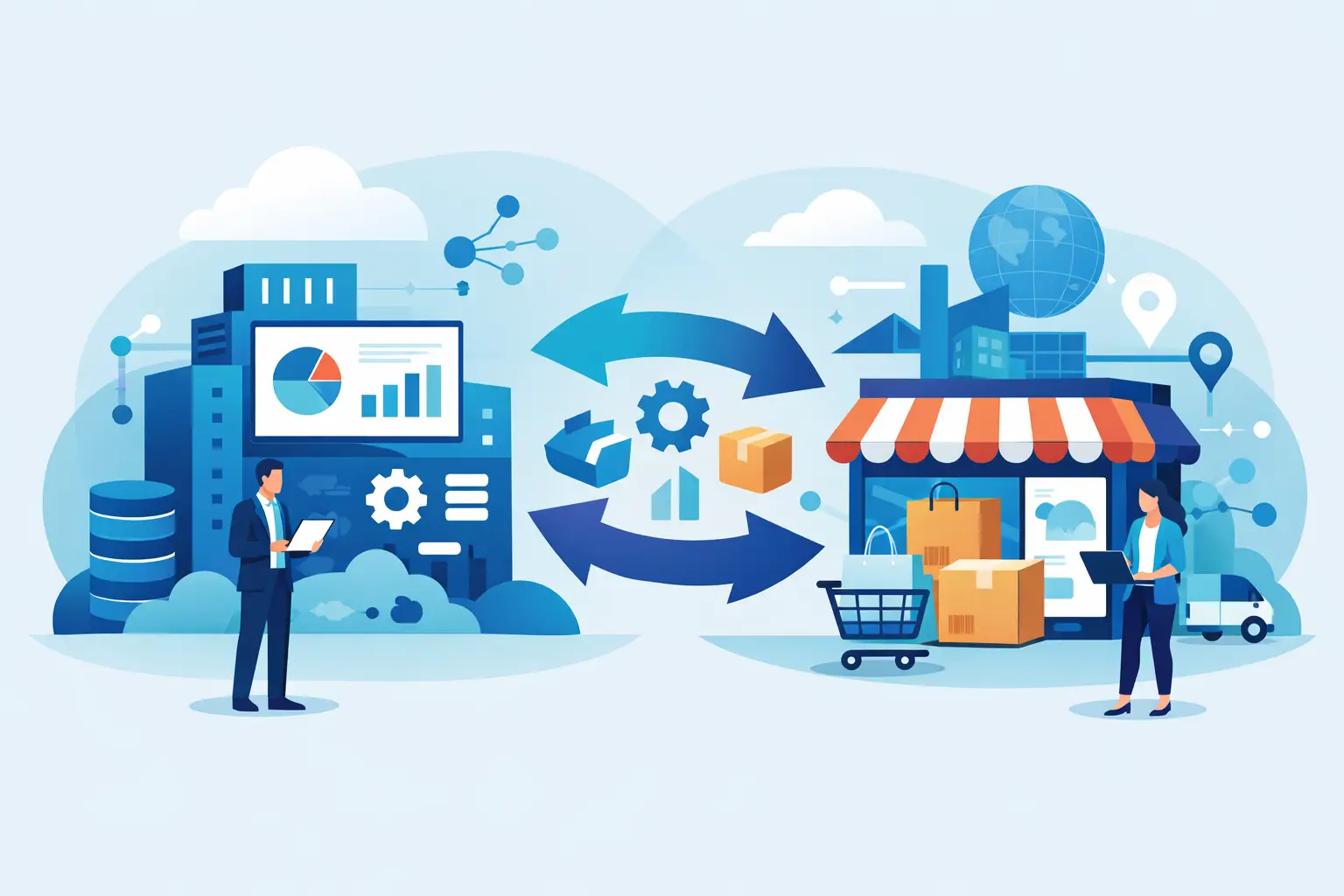
Enterprise-Level ERP and Webshop Integration
In a webshop, the customer only sees that they have placed an order. However, behind the scenes, the ERP and webshop integration determines whether the inventory is real, the delivery is feasible, the billing is correct, and how well the financial, logistical, and customer service processes remain under control.
Future-Proof Corporate System Design Trends
When ERP, warehouse management, manufacturing control, and e-commerce platforms operate independently within a company, the issue is rarely a matter of technological fashion. It is much more a question of operational reliability and management. There
Guide to Data Sovereignty Architecture
If a company operates in multiple countries, uses the cloud, relies on external integrations, and connects ERP, logistics, manufacturing, or customer data, then the guide to data sovereignty architecture is not a theoretical question but an operational risk management issue.
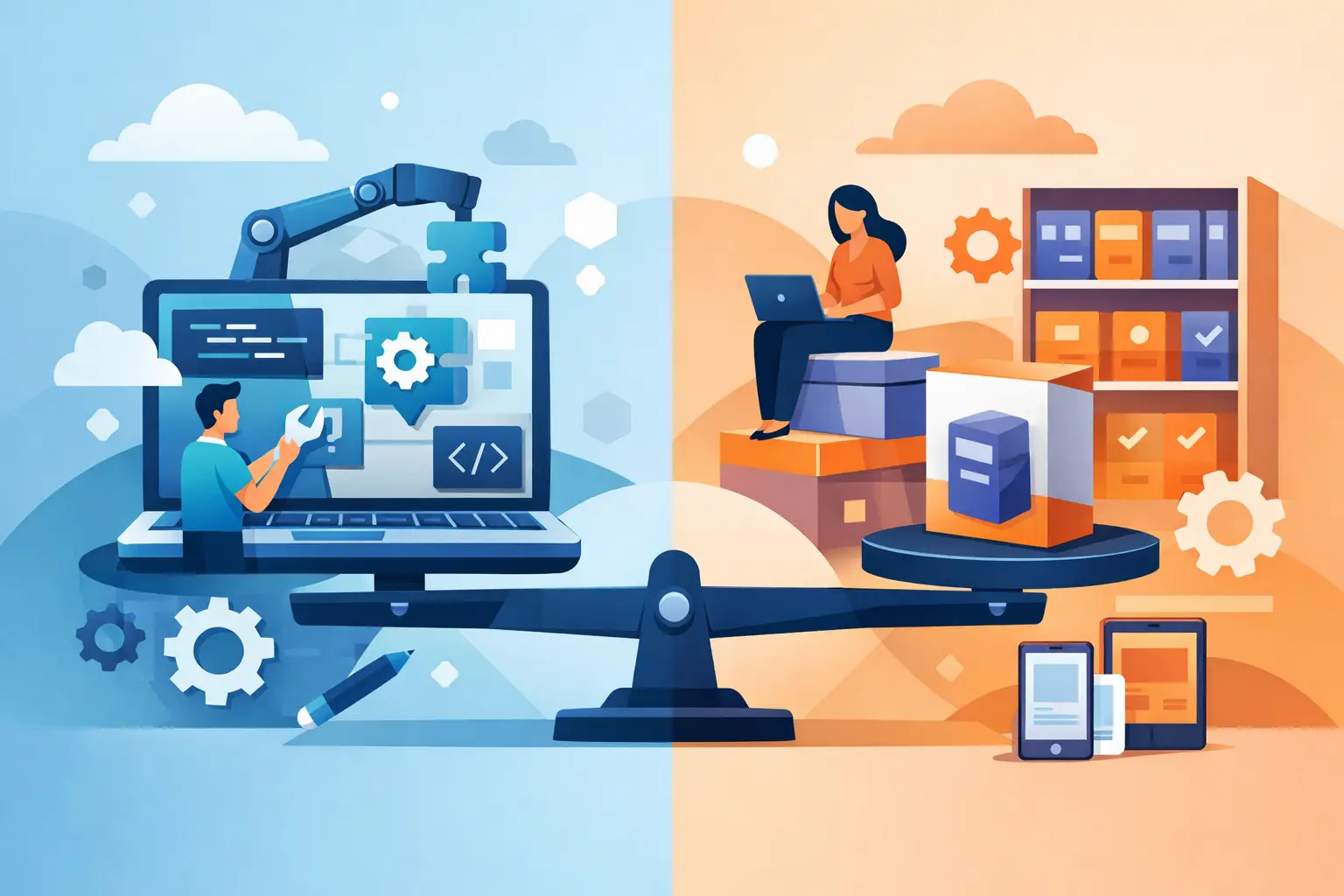
Custom Software vs Off the Shelf: Which is Better?
A warehouse doesn't halt operations because the software is "not ideal," but because there's no room for maneuver in a critical process. In such cases, the custom software vs off the shelf question is not a procurement preference but an operational,
Corporate High Availability Infrastructure
A warehouse management system outage is not just an IT incident. Within minutes, picking operations halt, deliveries are delayed, inventory data is distorted, and the data appearing in the ERP loses its operational value. In such an environment, high availability infrastructure is not a technological extra, but an operational requirement.
What is Infrastructure Governance Consulting?
A fault between a production line, a warehouse management system, and an ERP is rarely spectacular at first. Initially, there might just be a delay in data updates, then a skewed inventory picture, and eventually, real business damage appears: downti
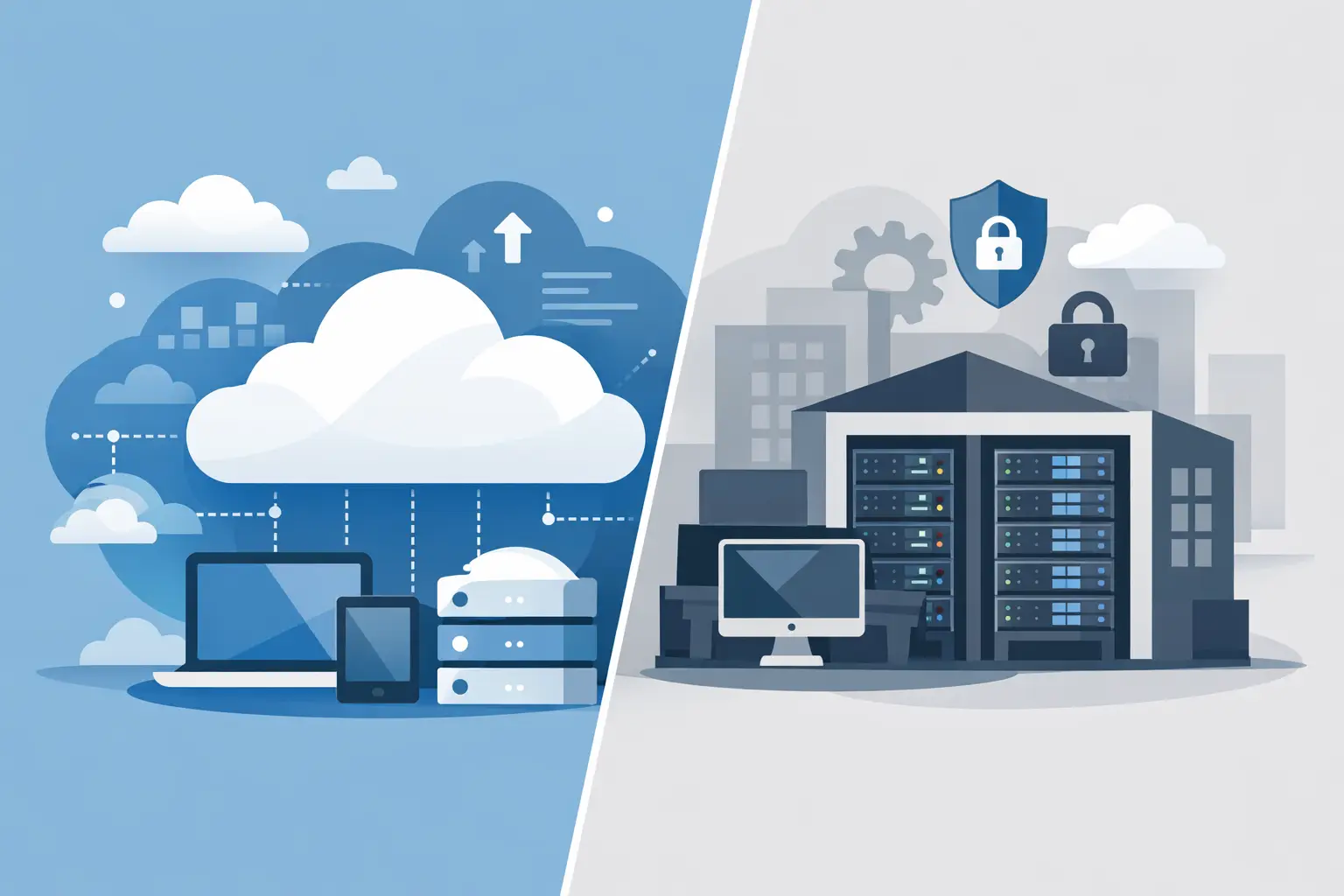
Cloud vs On-Premises Infrastructure
A production line stoppage, an ERP delay, or a warehouse integration error is not a theoretical IT issue. In such situations, the cloud vs on-premises infrastructure debate quickly becomes a matter of business continuity, compliance, and governance.
What Is Enterprise Infrastructure? Explanation
When an ERP system occasionally goes down in a company, warehouse management is delayed, and integrations are only partially reliable, the problem is rarely the fault of a single application. In such cases, the real question is what is enterprise inf
Fundamentals of Enterprise Infrastructure Management
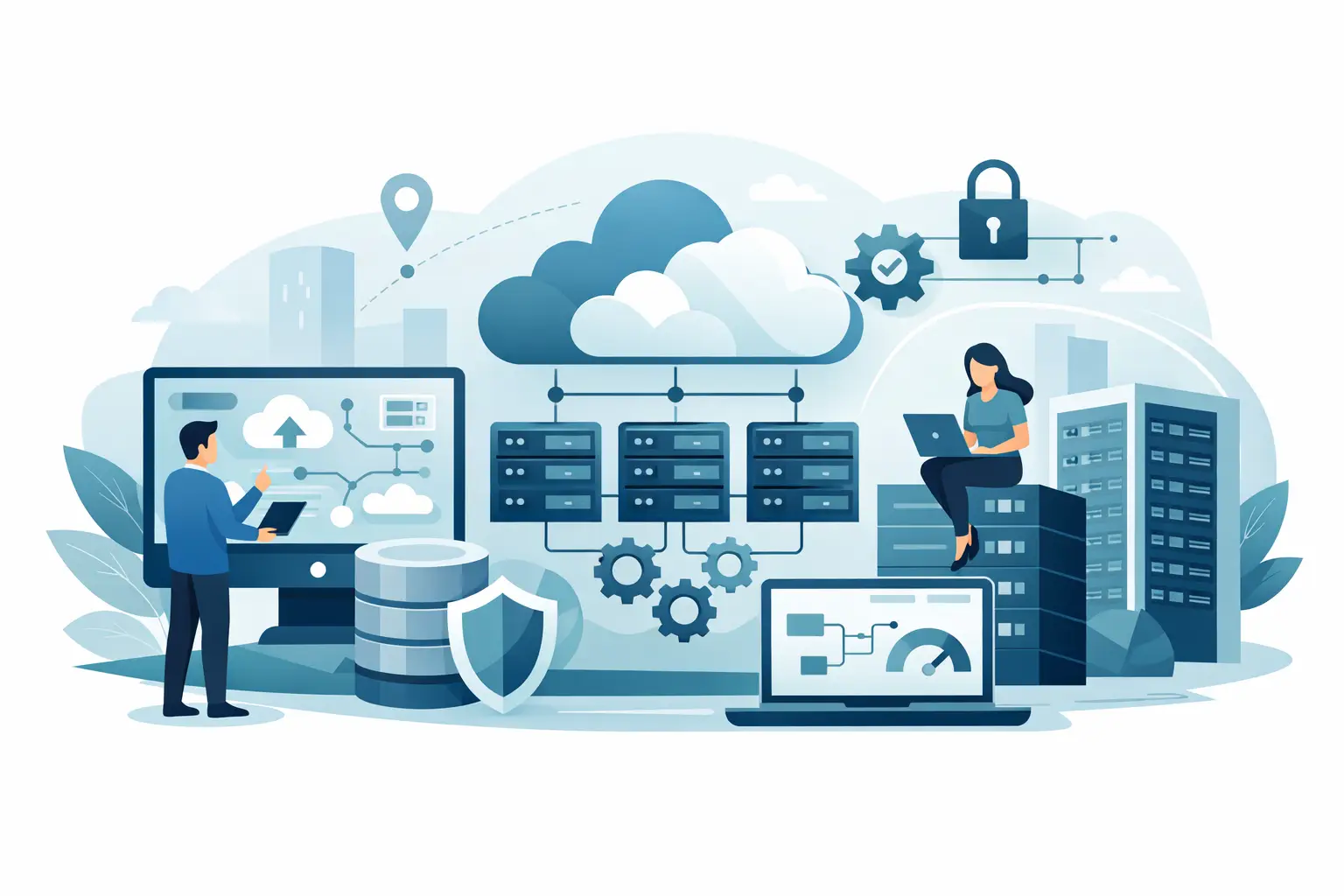
When an incident affects a company's ERP, warehouse system, manufacturing data connections, and e-commerce platform simultaneously, the issue is rarely due to a single server or application failure. This is when the quality of enterprise infrastructu
Enterprise Architecture Governance According to TOGAF
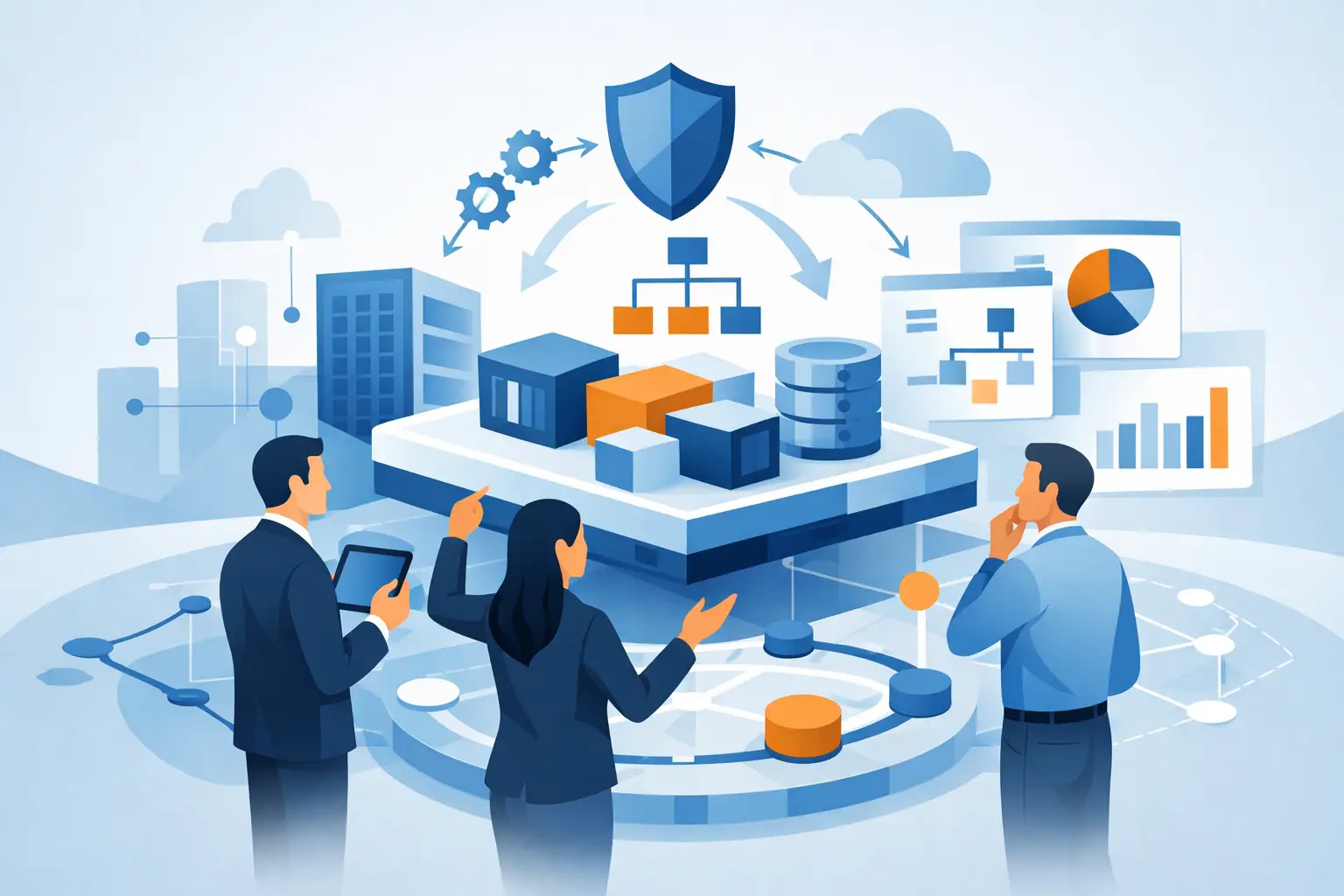
When a company's ERP, warehouse management, manufacturing systems, and customer service platforms simultaneously carry business and operational risks, architecture is no longer just a matter of documentation. According to TOGAF, enterprise architectu
AI Governance Framework in an Enterprise Environment
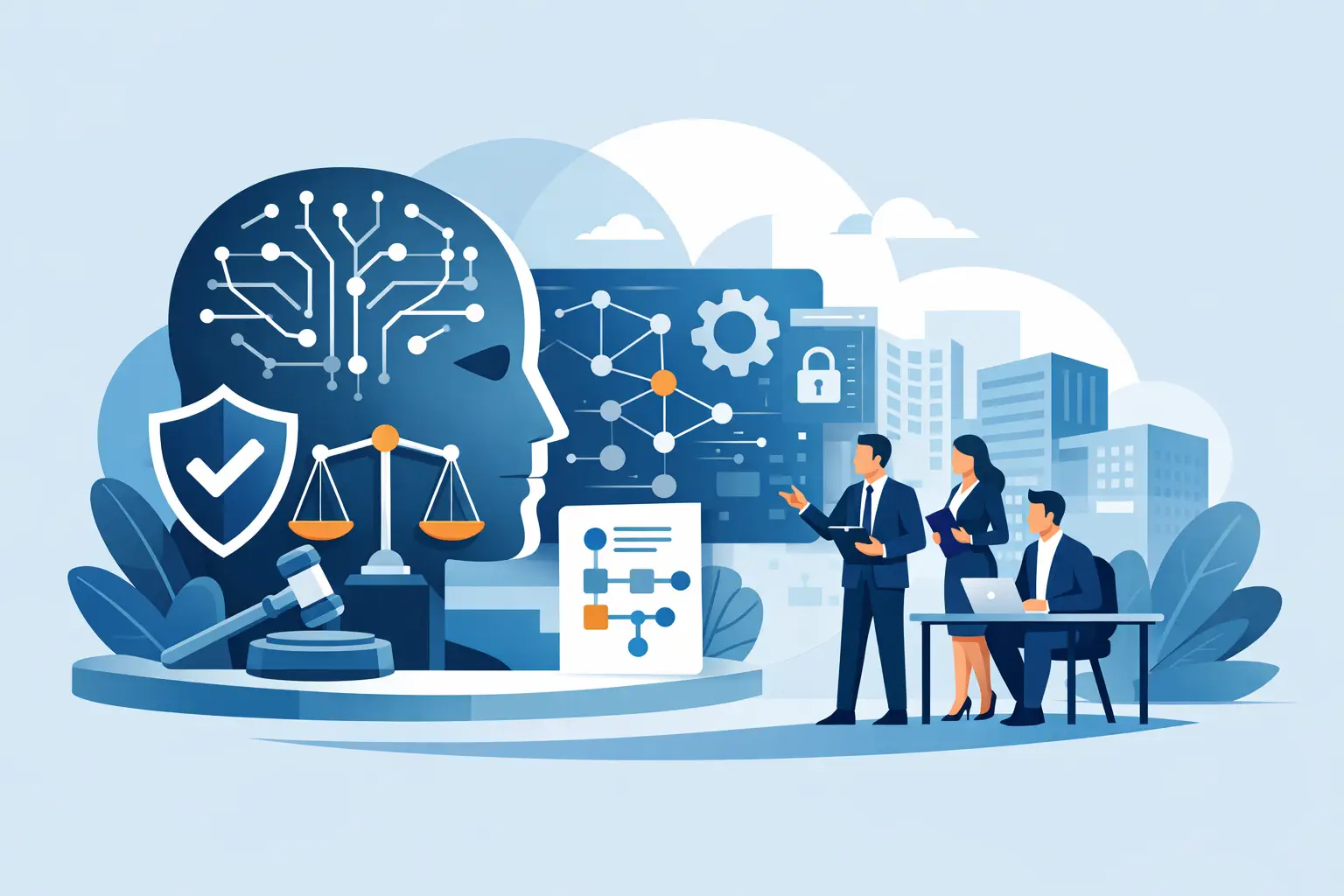
A corporate AI project rarely fails first where management expects it. The initial serious risk is not caused by model accuracy, but by the lack of clear decisions on who authorizes its use, what data it can access, how it can be audited, and what happens if it supports a faulty business decision.
Foundations of Compliance Aligned System Architecture
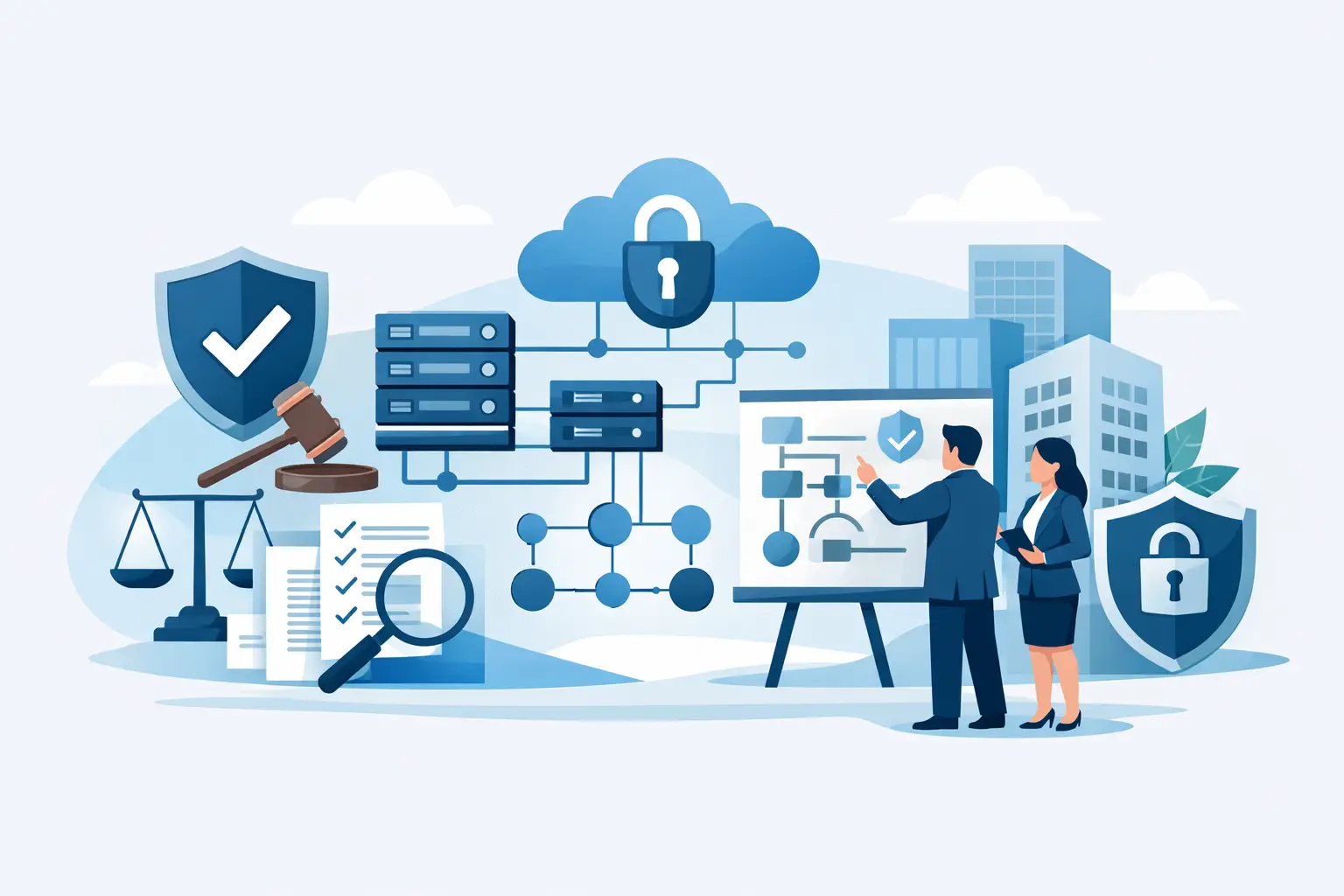
An audit rarely hurts because it introduces new requirements. It usually does because it reveals what the organization has long postponed: systems, integrations, and operational rules are not organized under a common governance model. The compliance