Insights
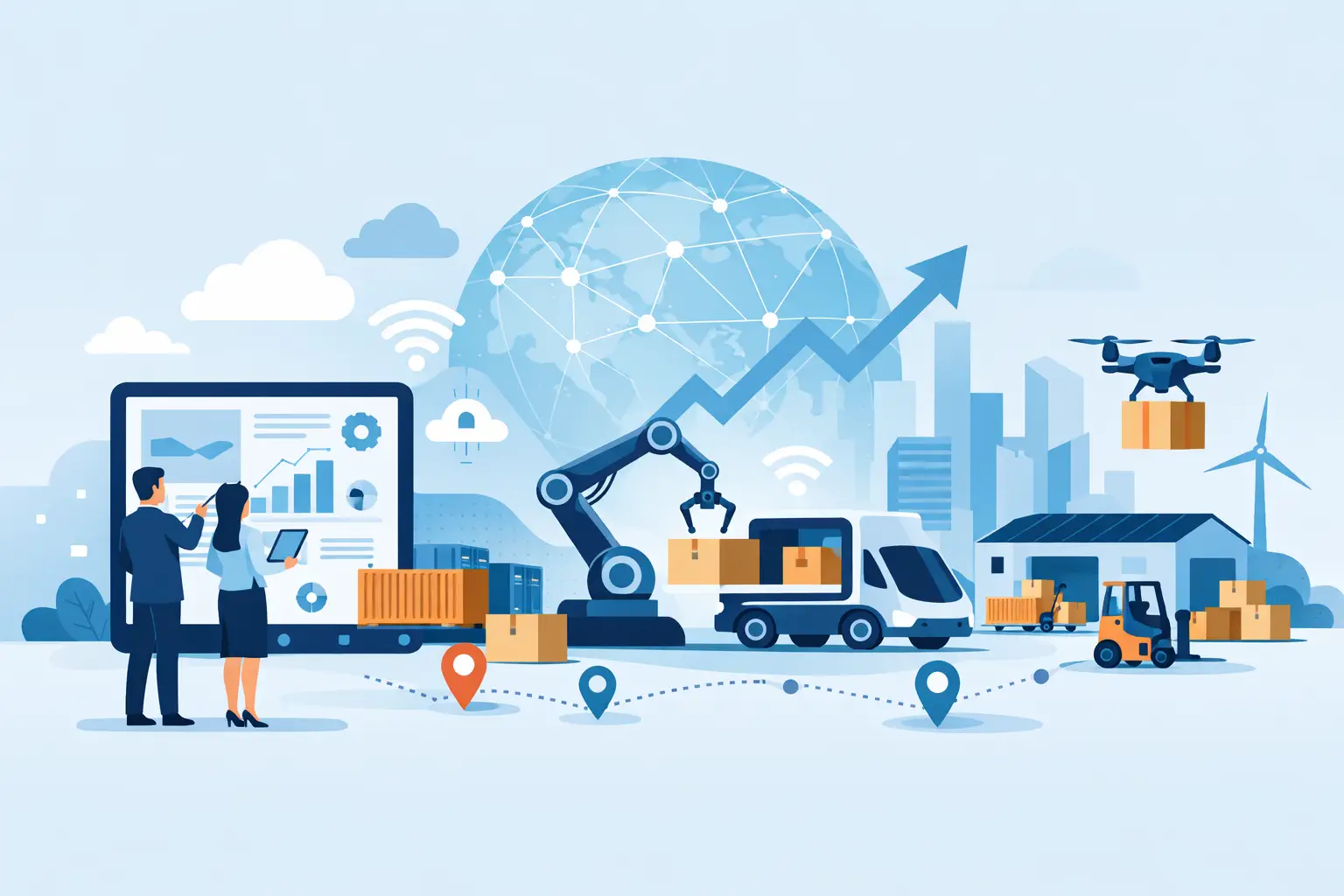
Supply Chain Digitalization Trends in 2026
Supply chain digitalization trends are no longer just presentation topics but operational necessities. For most companies, the question is not whether new digital capabilities are needed, but how to create controlled data flow among existing ERP, WMS, TMS, manufacturing, and partner systems without increasing risk.
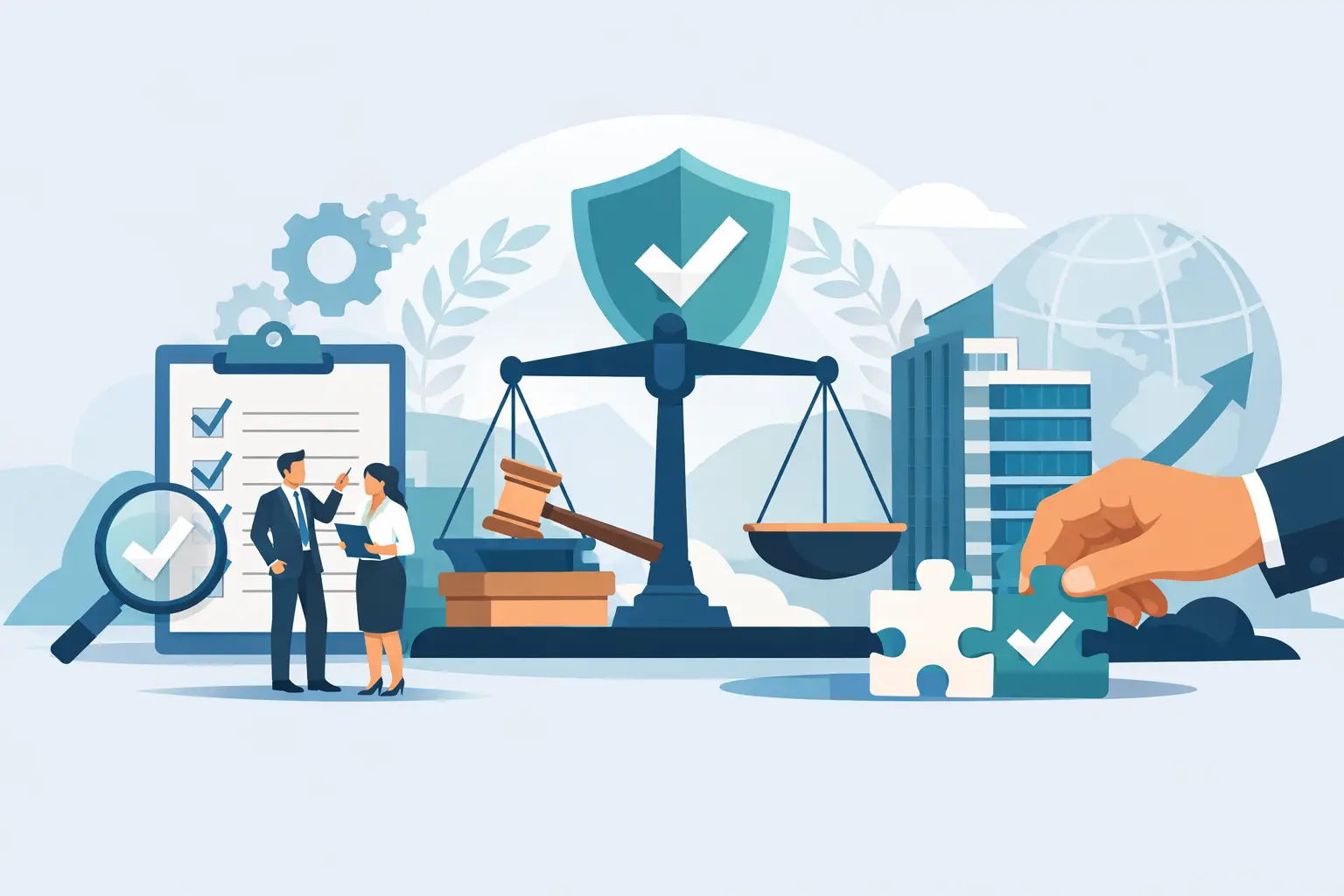
Corporate Governance Standards for Compliance
Compliance rarely fails where management first looks for errors. It is not on the cover of the policy but in the handling of exceptions, inheritance of permissions, missed steps in change management, and the actual ownership of the systems running be
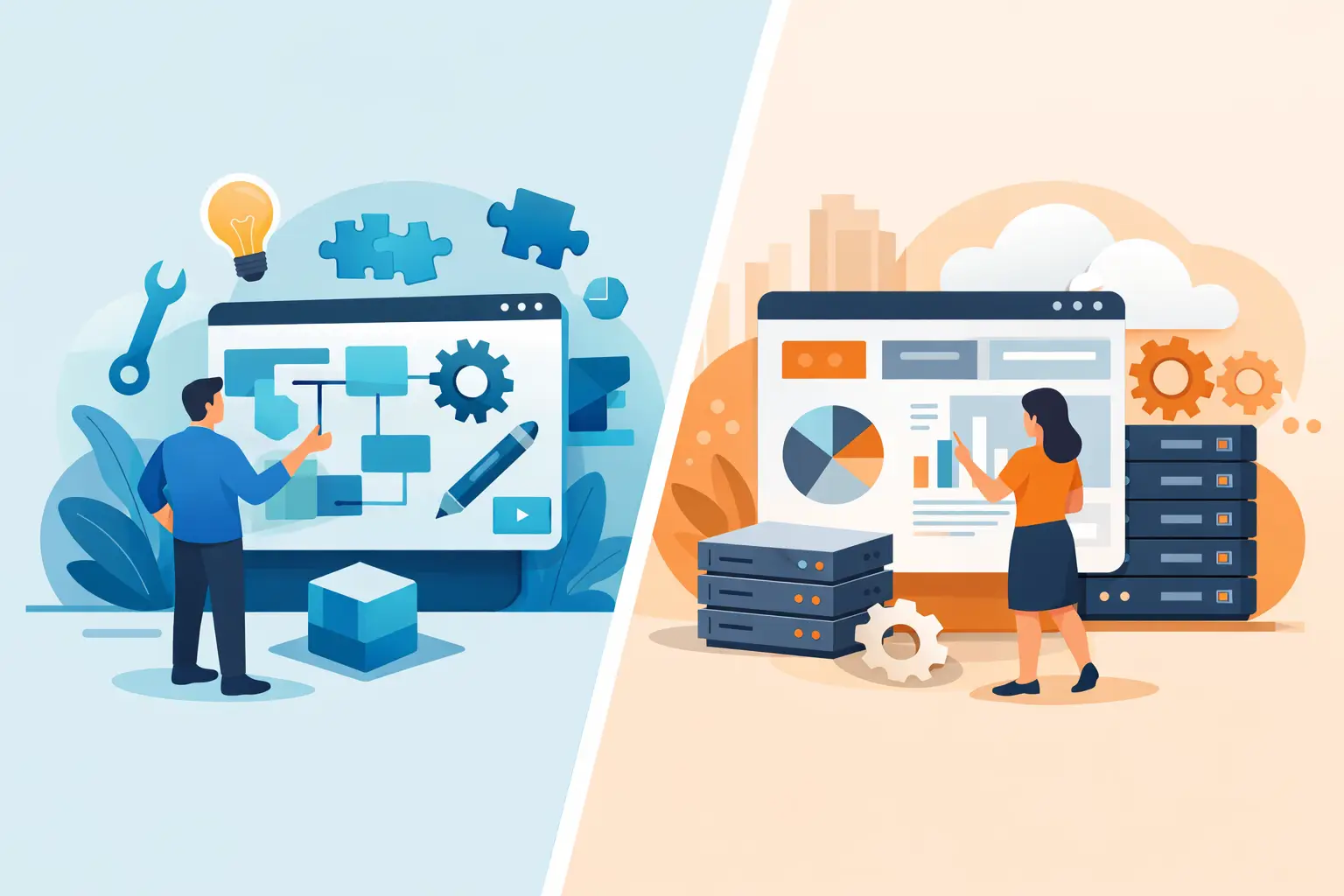
Custom Software or Standard System?
When it comes to replacing an enterprise management, logistics, or manufacturing system, the question is rarely a matter of technological preference. Whether to implement custom software or a standard system directly impacts operational continuity, i
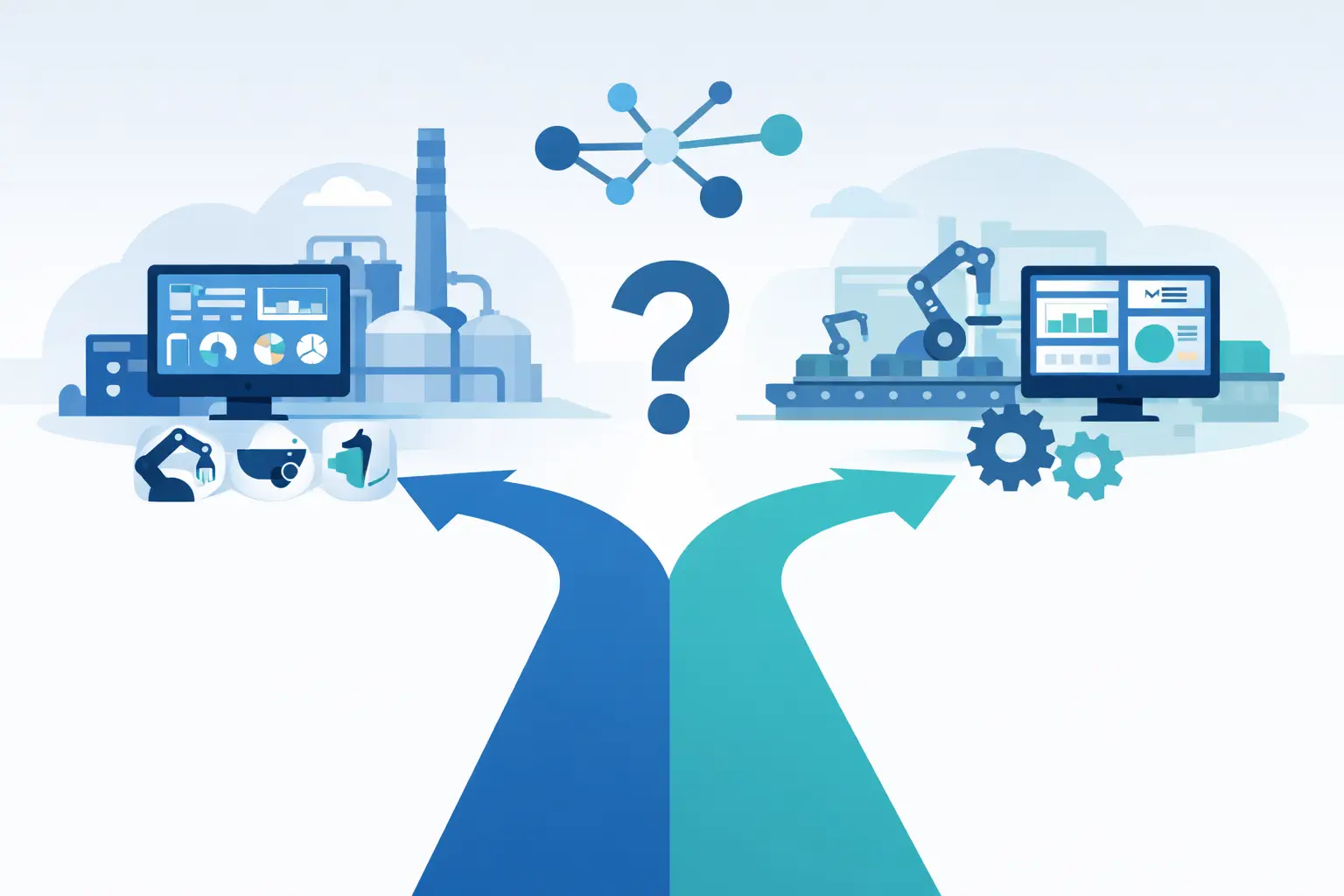
SCADA or MES Integration: Which is the Right Path?
Most industrial organizations lose efficiency not where they first look. It's not beside the production line, but around data pathways, responsibility boundaries, and integration decisions. The question of SCADA or MES integration is not simply an IT
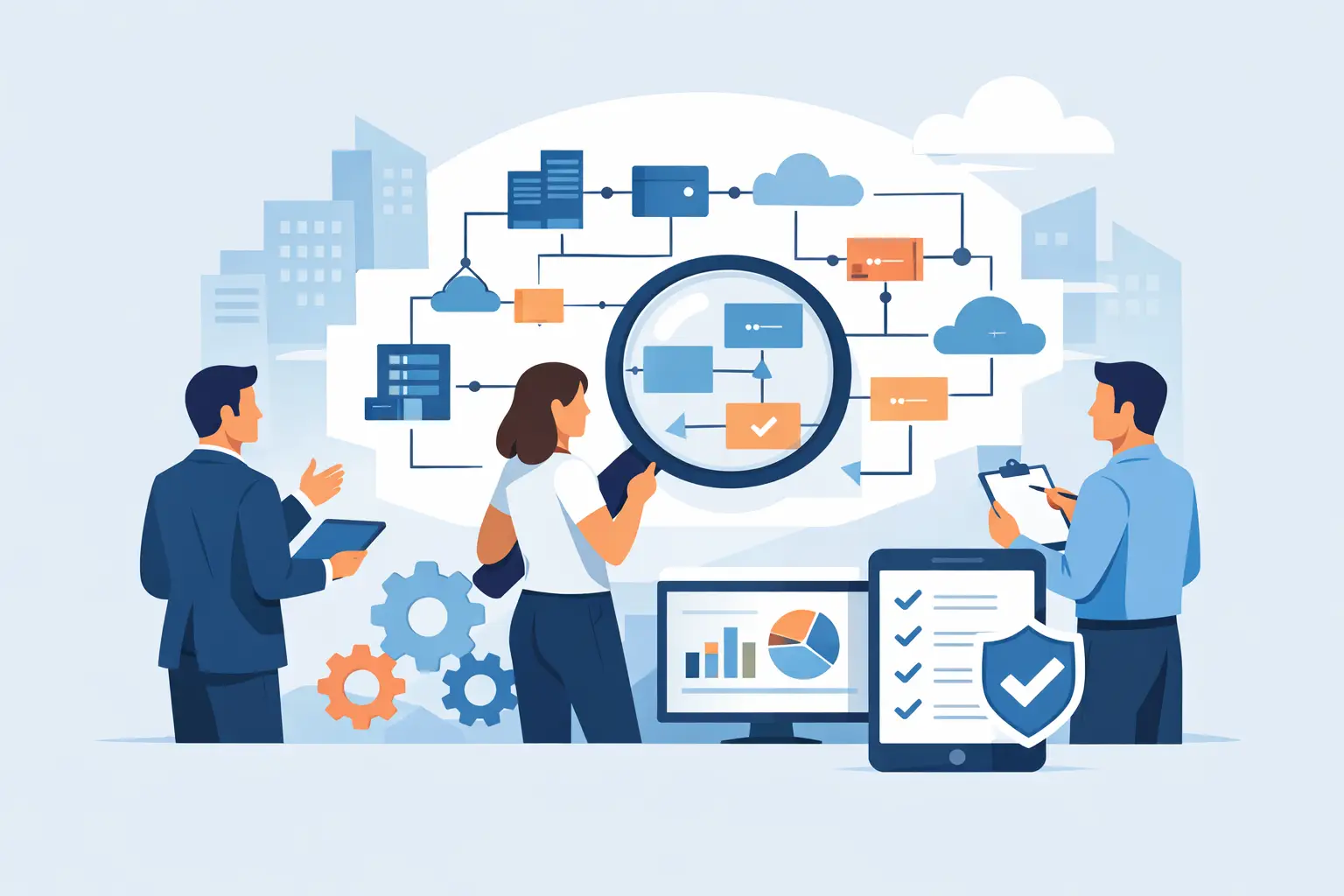
The Process of Enterprise Architecture Validation
An enterprise system rarely becomes risky due to a visibly faulty component. More often, the overall picture is not adequately verified: integrations are partially documented, dependencies are hidden, and performance expectations are not aligned with
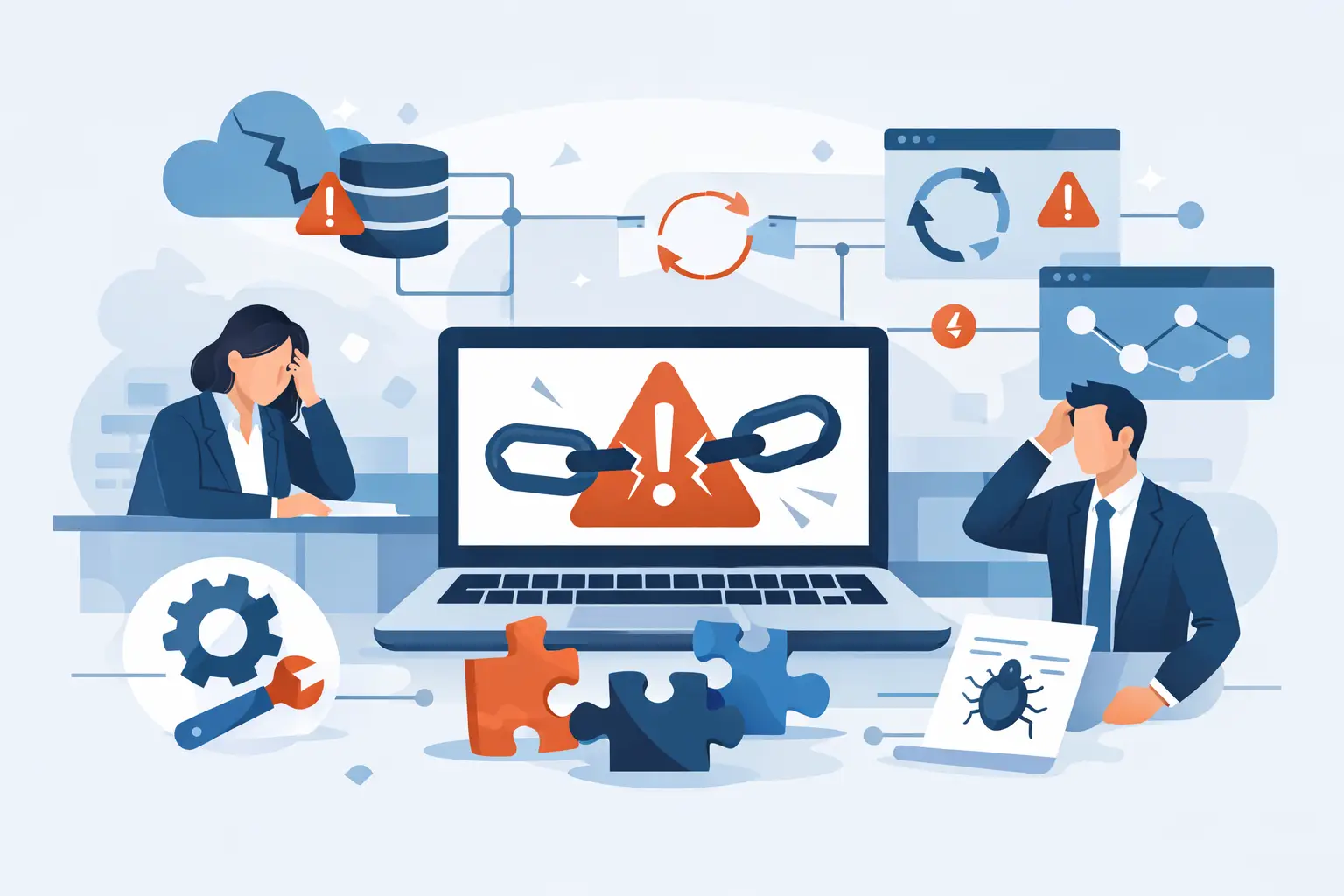
7 Top Corporate System Integration Mistakes
A corporate integration project rarely fails where management anticipates. It's not the lack of API documentation, a single bad interface, or often even the technology itself that's the main issue. The top corporate system integration mistakes typica
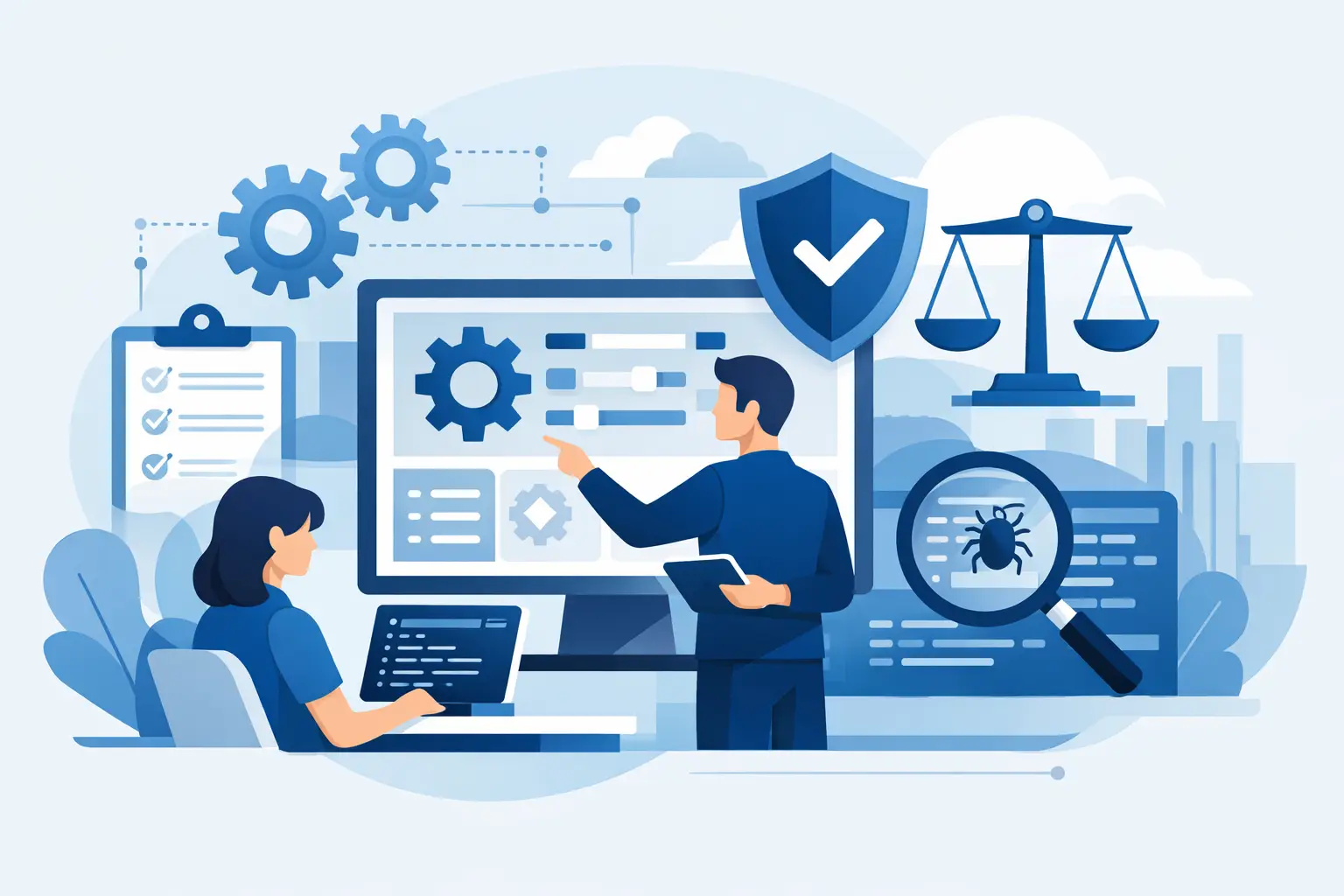
The Advantages of Regulated Software Development
When a company's daily operations depend on the coordinated functioning of multiple systems—such as ERP, warehouse management, production control, logistics platforms, or e-commerce integrations—the quality of development directly becomes a business
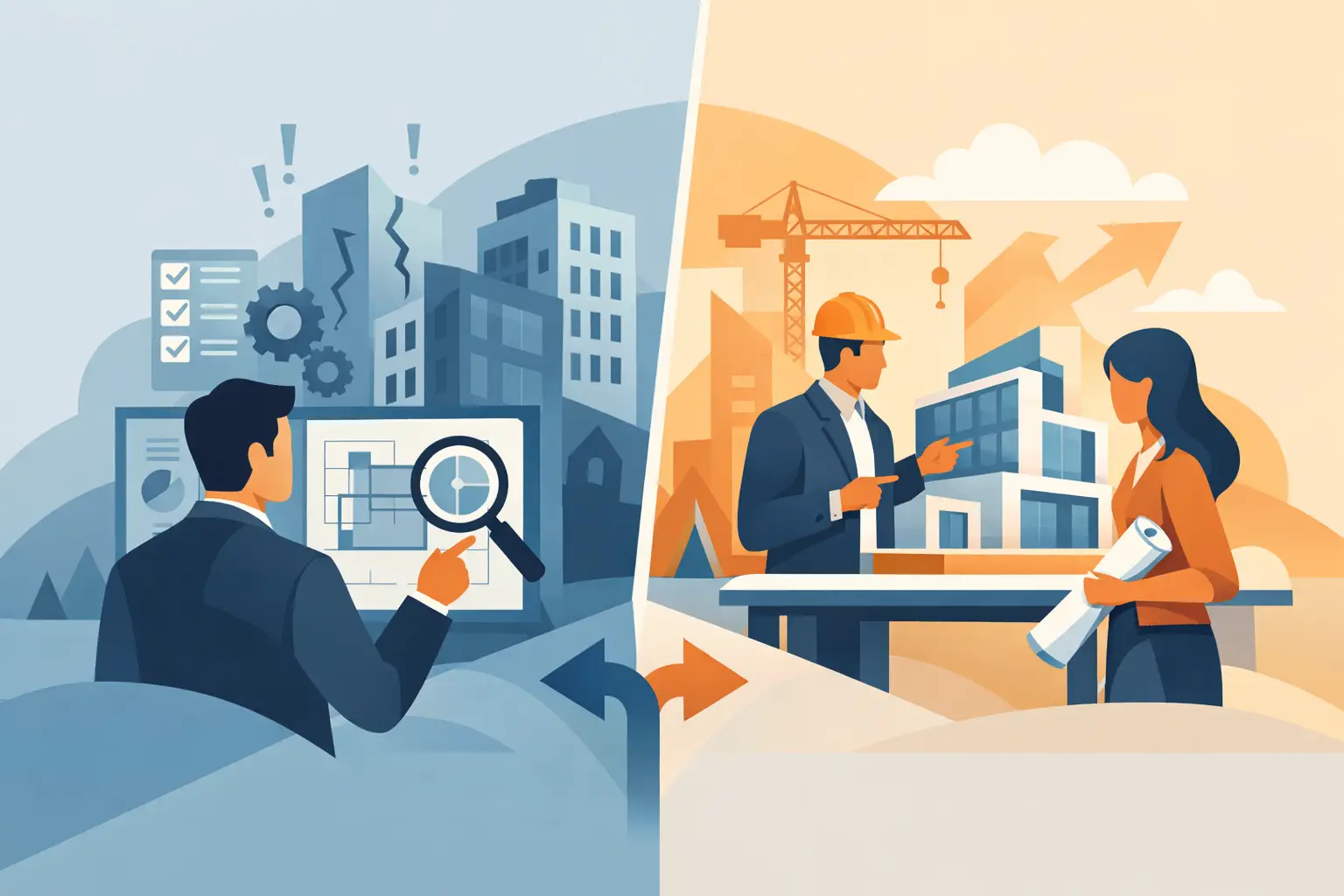
Architecture Audit or Redesign?
A corporate system rarely becomes problematic overnight. Initially, the turnaround time for changes increases, then incidents become more frequent, and eventually, development, operations, and business all feel that the platform is no longer supporting
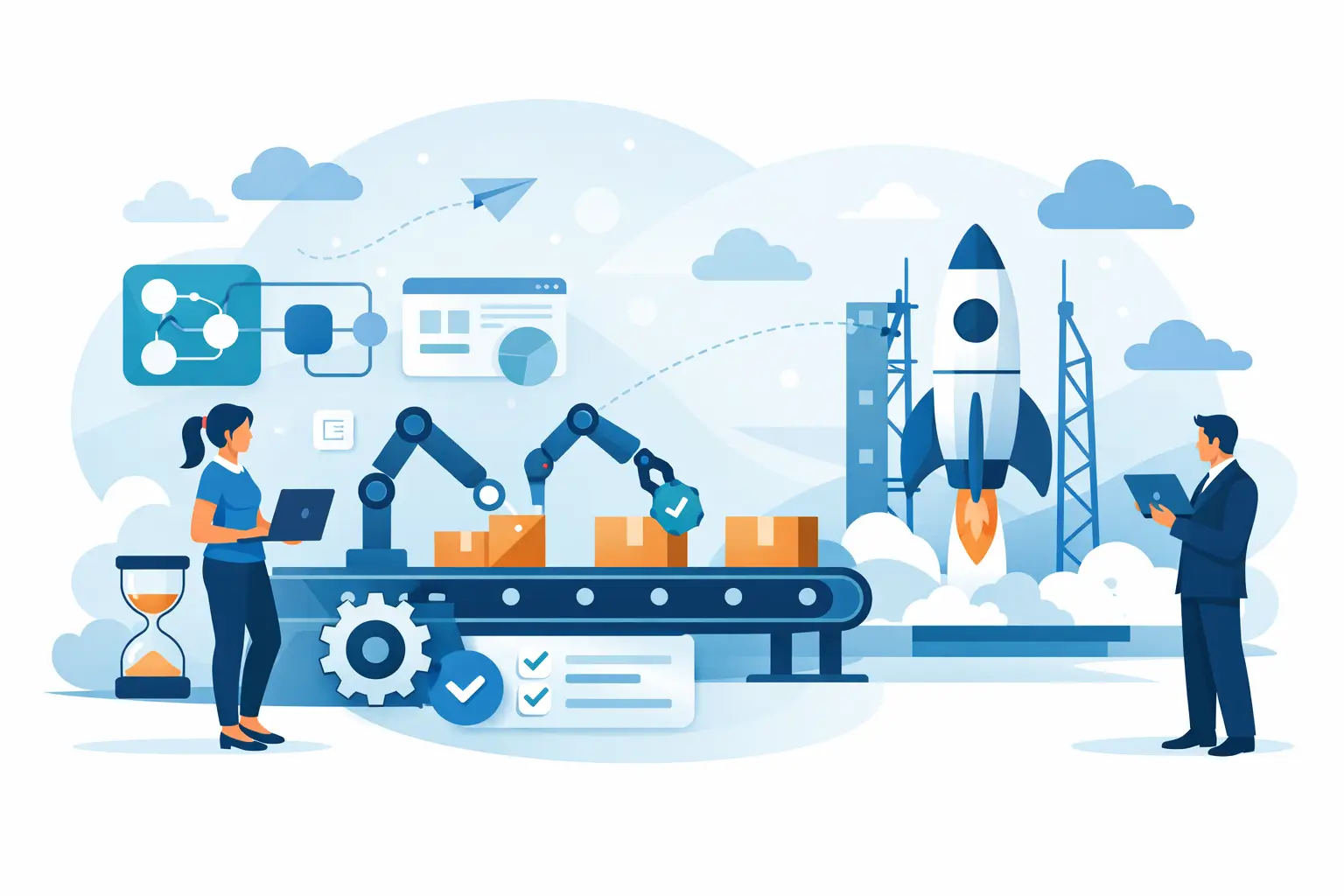
Establishing a Deterministic Release Process
In a production, logistics, or e-commerce environment, a release is not an administrative event but an operational risk. Establishing a deterministic release process is therefore not a matter of development convenience but a task of management and bu
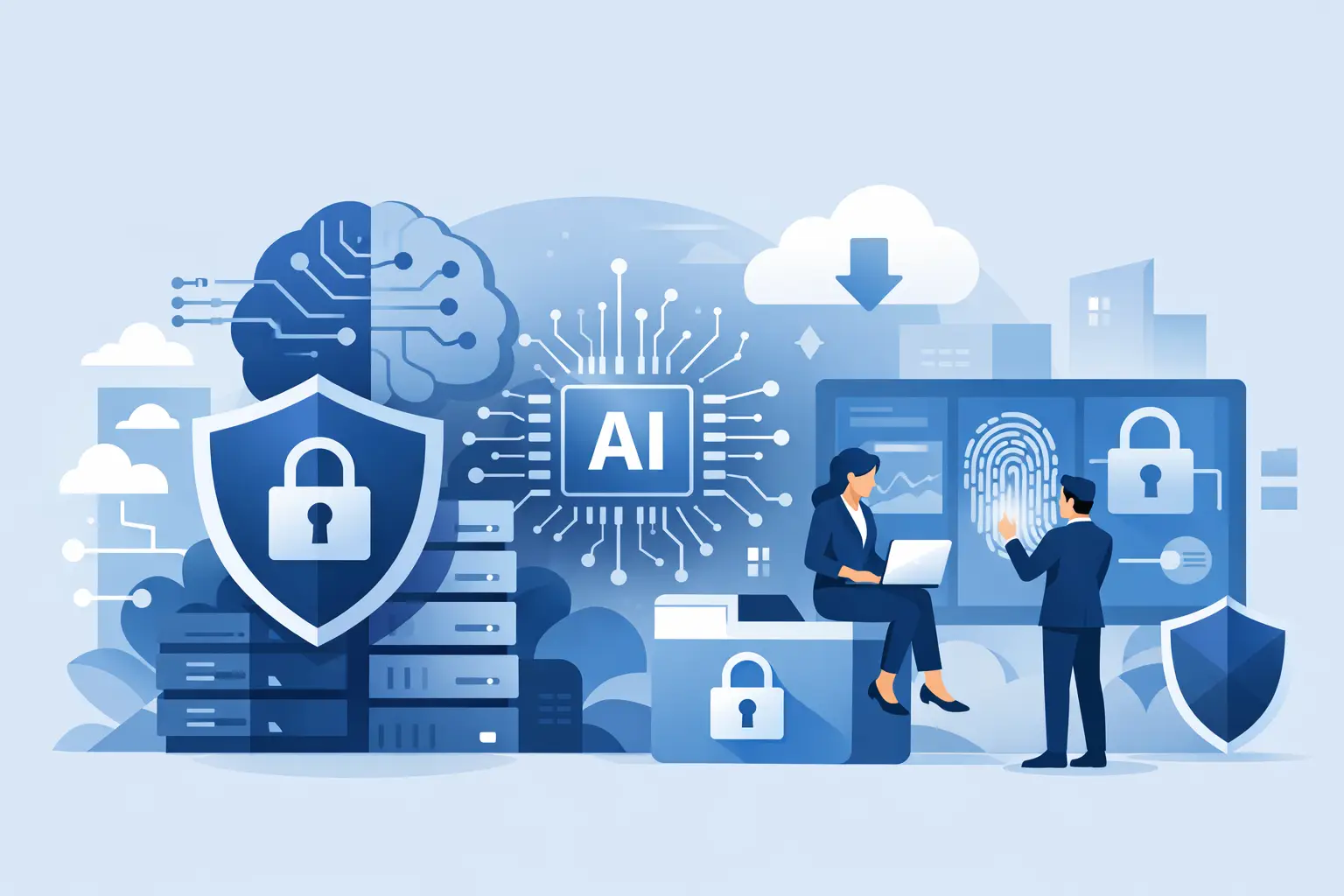
Secure AI Data Management in Enterprises
When a company implements an AI solution, the greatest risk is rarely the model itself. The real exposure occurs where AI accesses business data, processes, and decision chains. Therefore, secure AI data management in enterprises is not a side issue
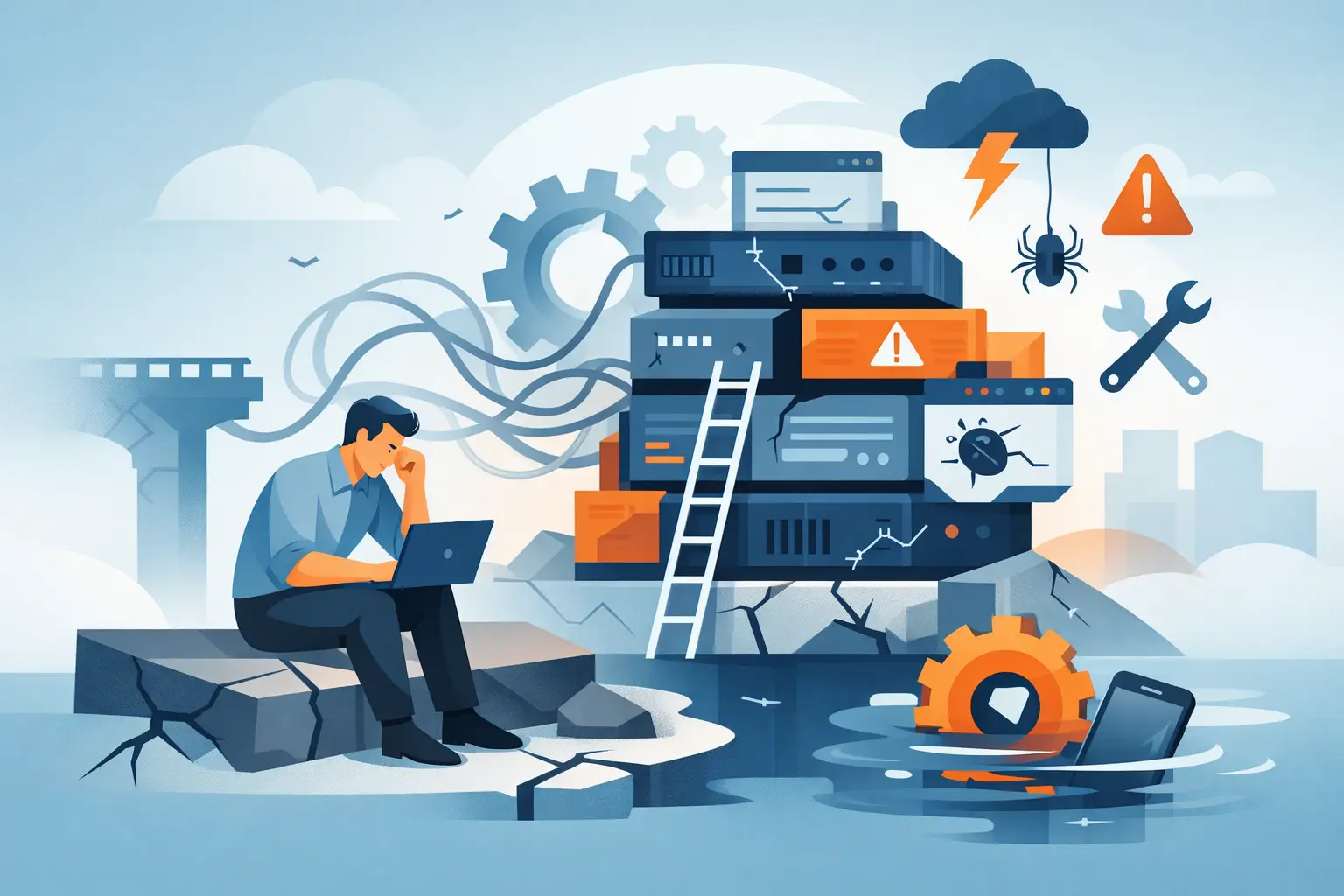
What Are the Signs of Technical Debt?
A company's system environment rarely becomes risky overnight. In most cases, technical debt does not start with a spectacular error but with a series of small compromises: an urgent workaround, a postponed refactor, an undocumented integration, or a temporary infrastructure element that ends up in a permanent production role.
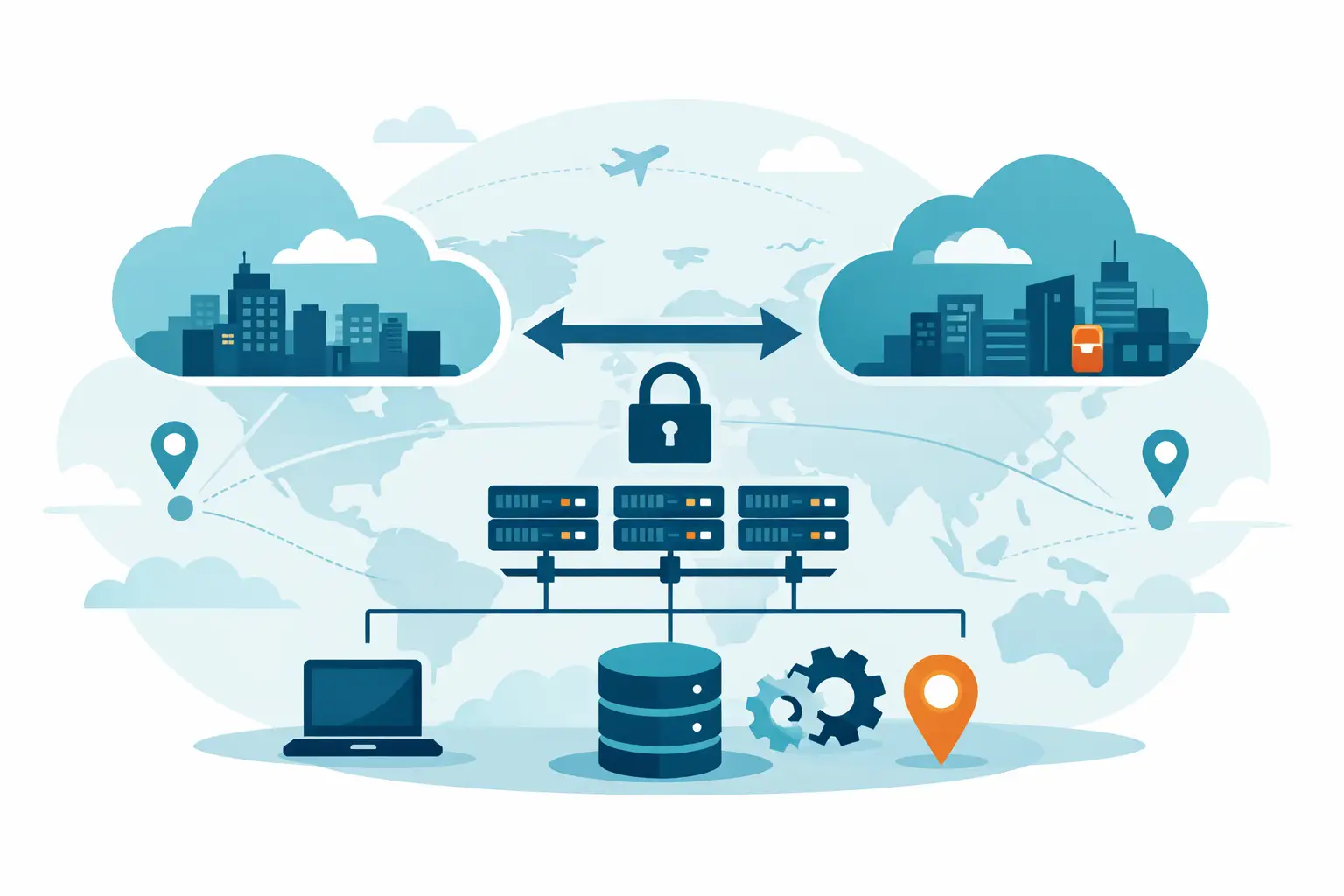
Multi-Region Redundancy in Corporate Environments
A company rarely loses hours or revenue due to a single component failure. Real outages typically occur when a region-level event—cloud service provider failure, network issue, inter-zone anomaly, or faulty deployment—affects multiple dependencies simultaneously.