Insights
Corporate AI Governance Trends in 2026
An error in a production forecasting model can result in more than just an inaccurate report. It can cause incorrect inventory levels, poor purchasing decisions, production disruptions, or customer fulfillment issues. Therefore, corporate AI governance is increasingly becoming a part of operational security, compliance, and managerial accountability.
Critical System Design for Reliable Operation
A production line does not stop because an application server is overloaded. It stops because a previously accepted architectural compromise becomes visible during a load peak, an integration error, or a recovery situation. The task of critical syste

Enterprise Integration Architecture with Reliability
A warehouse inventory discrepancy does not necessarily originate in the warehouse. It can be caused by incorrect product master data in the ERP, a delayed order processing in the e-commerce system, a repeated message in the middleware, or an undocumented manual correction.
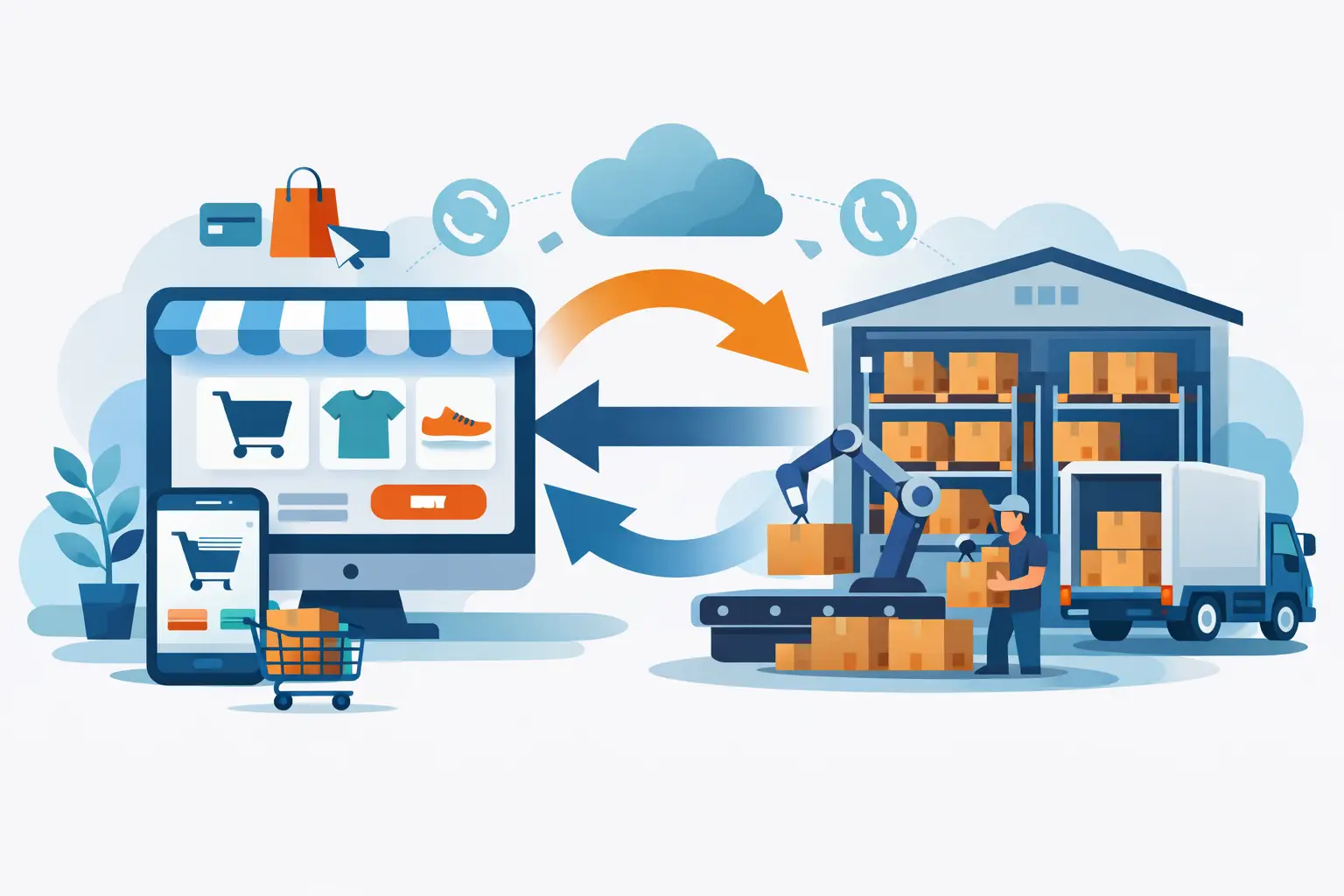
Example of Webshop and Warehouse Synchronization
In a high-traffic webshop, stock errors are rarely standalone issues. Behind a product marked as unavailable, there might be a delayed warehouse confirmation, a failed API call, parallel order processing, or unclear master data. Therefore, the search
Guide to Corporate Compliance Controls
A compliance audit rarely fails where management anticipates. It is not at the policy's cover page, but in access exceptions, undocumented operational steps, manual bridges between ERP and warehouse systems, or the fact that a control exists on paper

Business Continuity Plan for Industrial Systems
An industrial plant shutdown is rarely due to a single system failure. More often, it's a chain reaction: a network disruption halts data exchange, ERP and production management synchronize late, warehouse processes back up, and then deliveries start
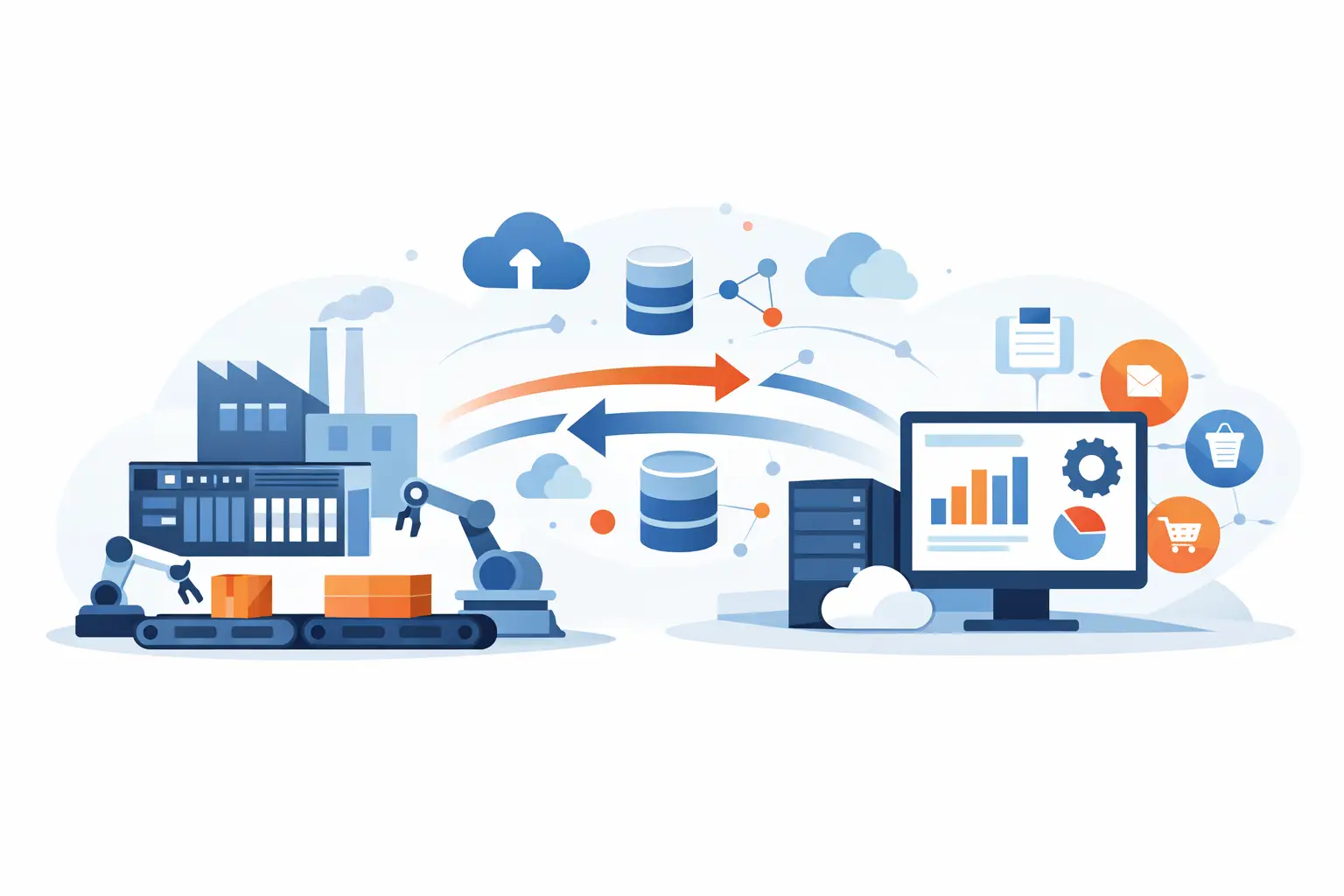
PLC Data Connection with ERP System: What Works?
For most manufacturing companies, the question is not whether a data connection between PLC and ERP is needed, but how it can be implemented reliably, auditable, and sustainably in the long term. If the production line statuses, cycle times, quantities, or scrap data appear directly in the ERP, business decisions are accelerated, while the margin of error between plant management and corporate IT is significantly reduced.
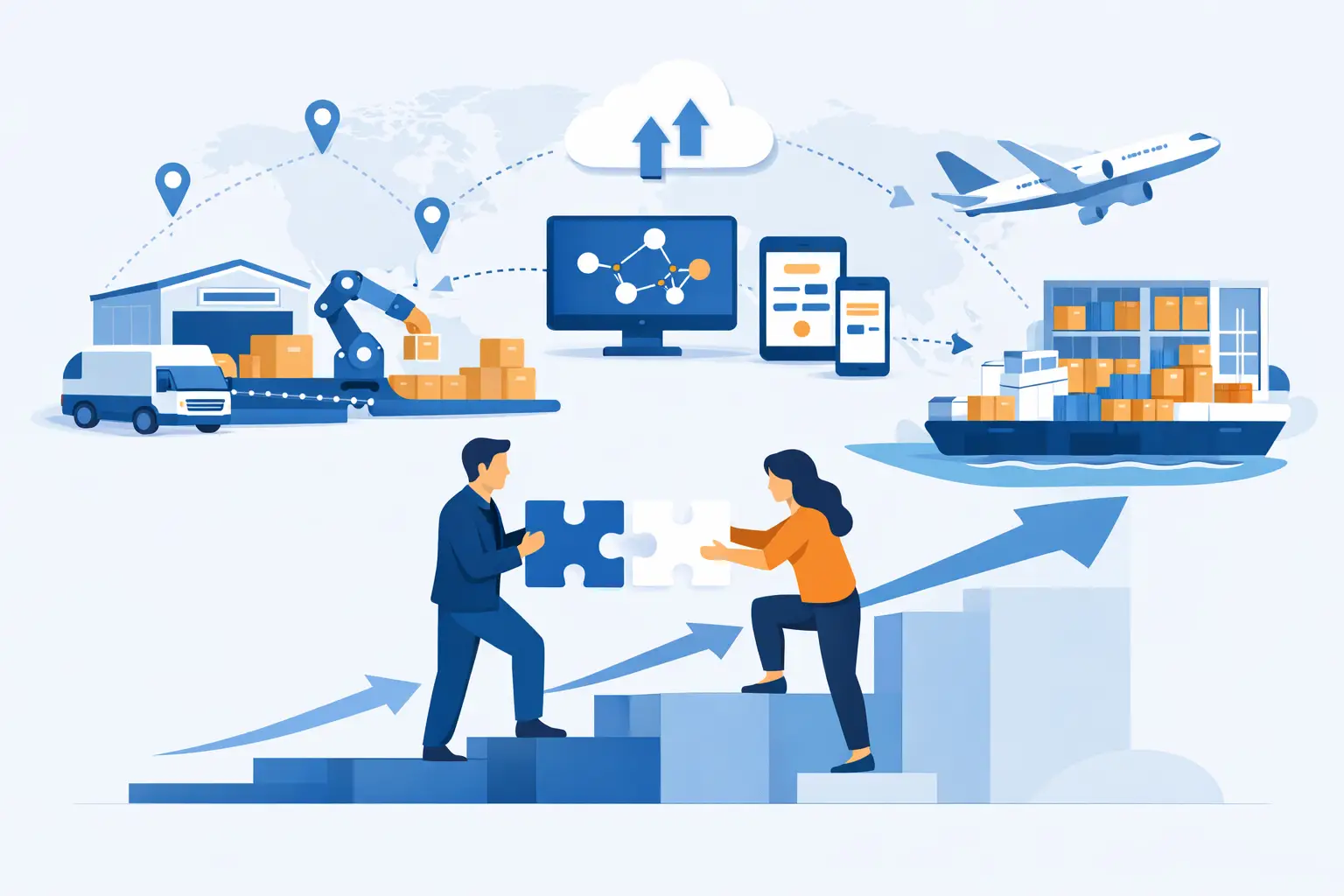
Step-by-Step Integration of Logistics Systems
In a logistics environment, integration is rarely a matter of technical convenience. If the WMS, ERP, transport management, e-commerce platform, and reporting operate with separate logic, different data dictionaries, and without control, it results in stock errors, delays, manual reconciliation, and audit risks.

Data Residency and AI Compliance at the Corporate Level
In a company, AI projects rarely fail where we would first expect. It's not the model's accuracy, not the licensing costs, and often not even the integration work that's the main issue, but rather that data residency and AI compliance issues are addressed too late.
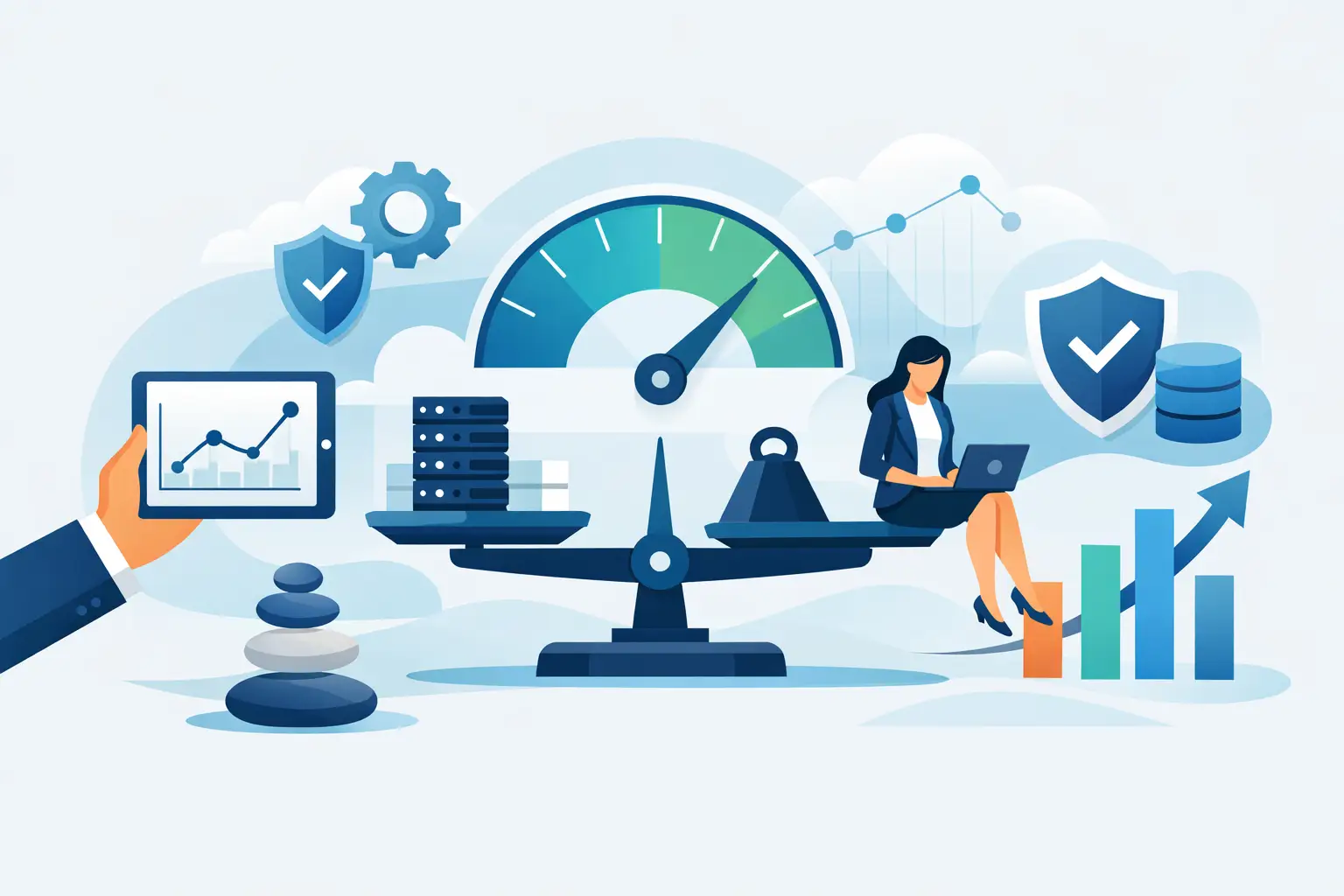
Corporate System Stability Metrics
A corporate system rarely fails when it visibly crashes. More often, it loses its load capacity much earlier, the time for error correction increases, data consistency deteriorates, and it requires more and more manual intervention. The corporate syst
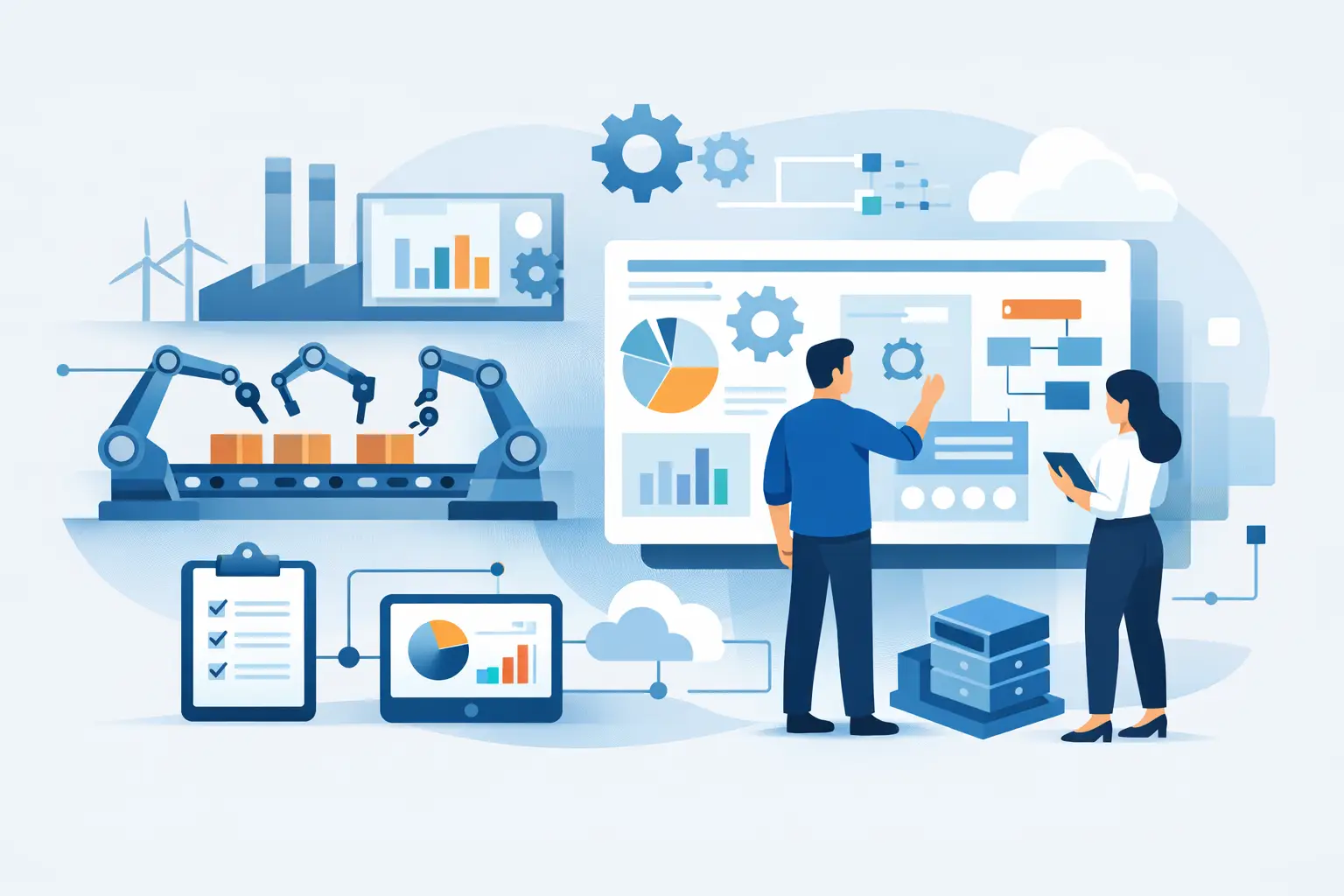
Production Management and Enterprise Software
Manufacturing issues rarely start on the production line. They usually become visible when an order arrives late at the plant, inventory data is inaccurate, the ERP and production system show different statuses, or there is no reliable recovery plan after a malfunction.
How to Choose a System Architecture Partner?
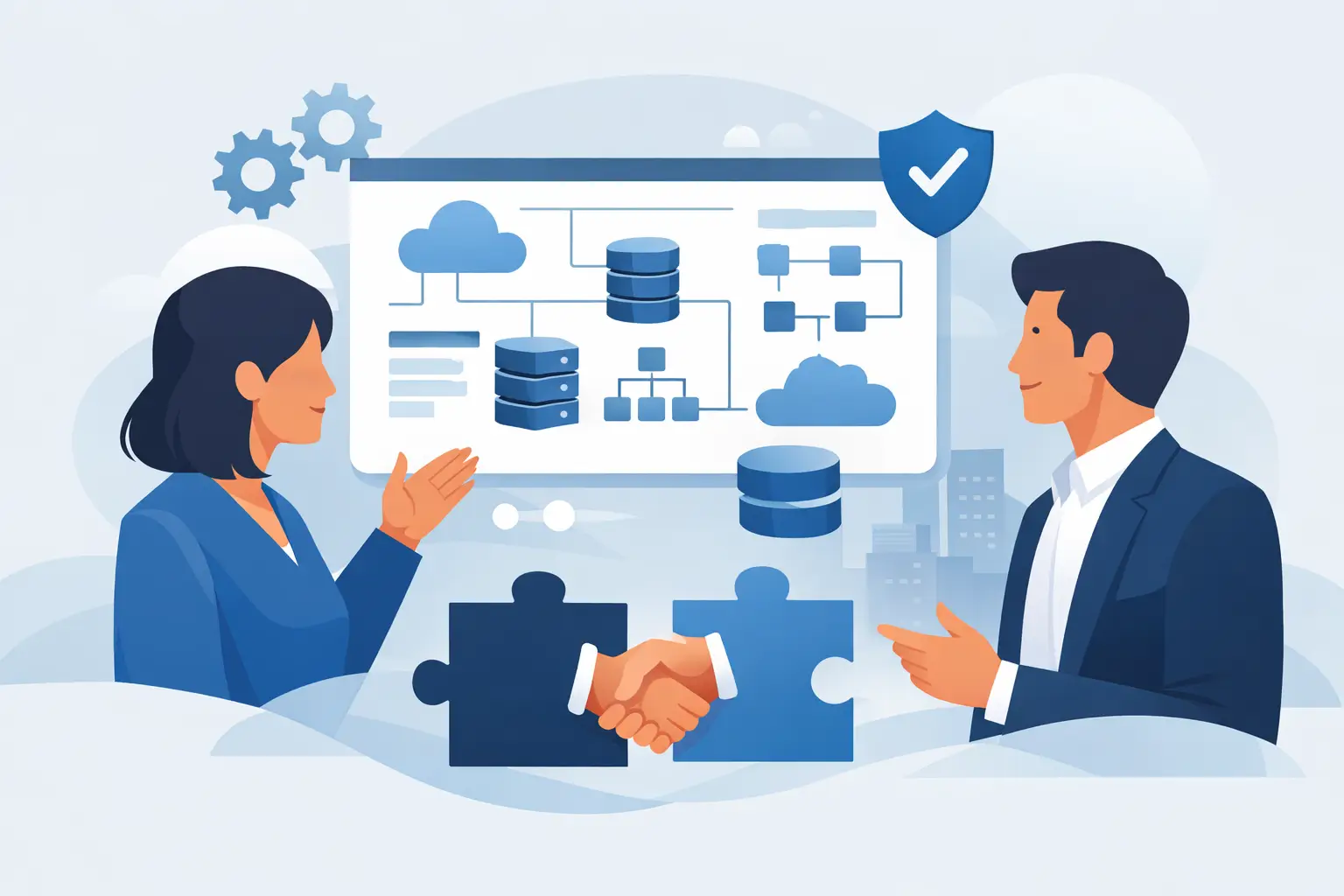
Choosing a system architecture partner rarely depends on who writes the most convincing proposal. It is more about who can make disciplined technical decisions during an unexpected incident, before an audit, or during a critical integration.